

Before getting into this one today, I just wanted to thank everyone for their patience in my absence over the past few weeks.
I’ve been busy preparing a lot of exciting content for you guys which I really hope you’ll love. Expect regular emails to resume.
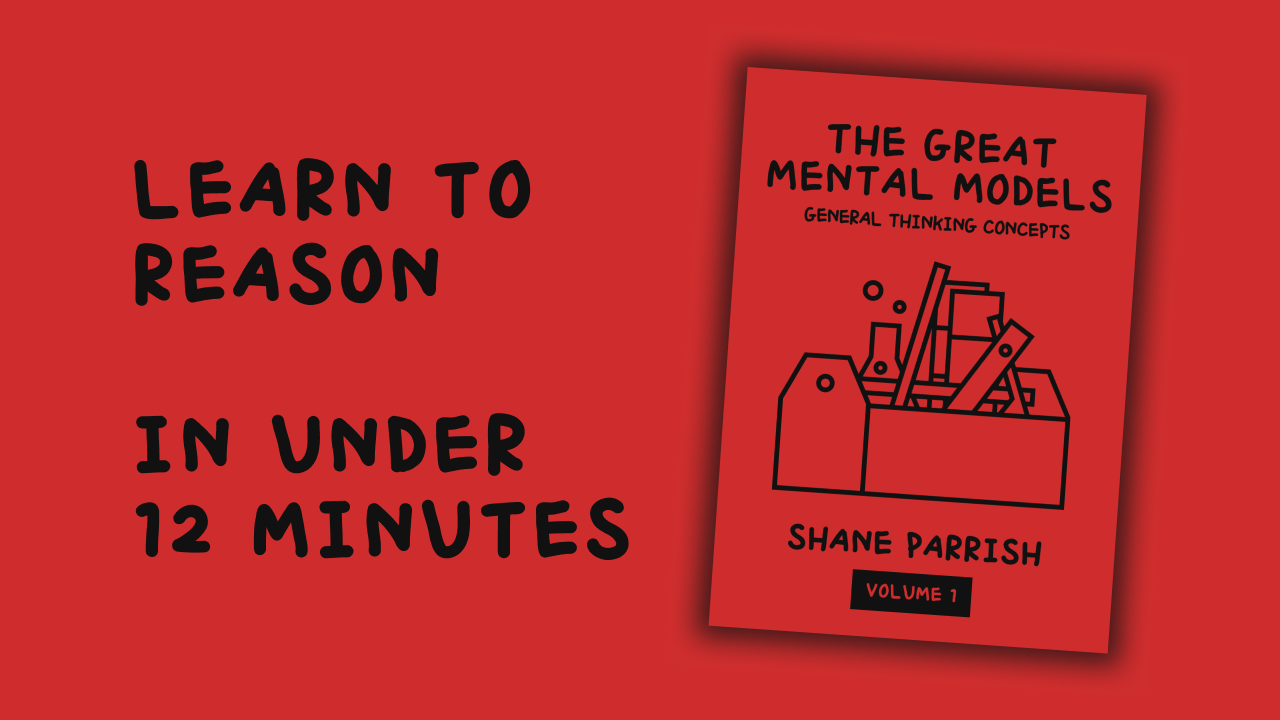
The Great Mental Models:
This is an illustrated summary of the first book in Shane Parrish’s ‘The Great mental Models’ series, including 12 brand new illustrated ideas.
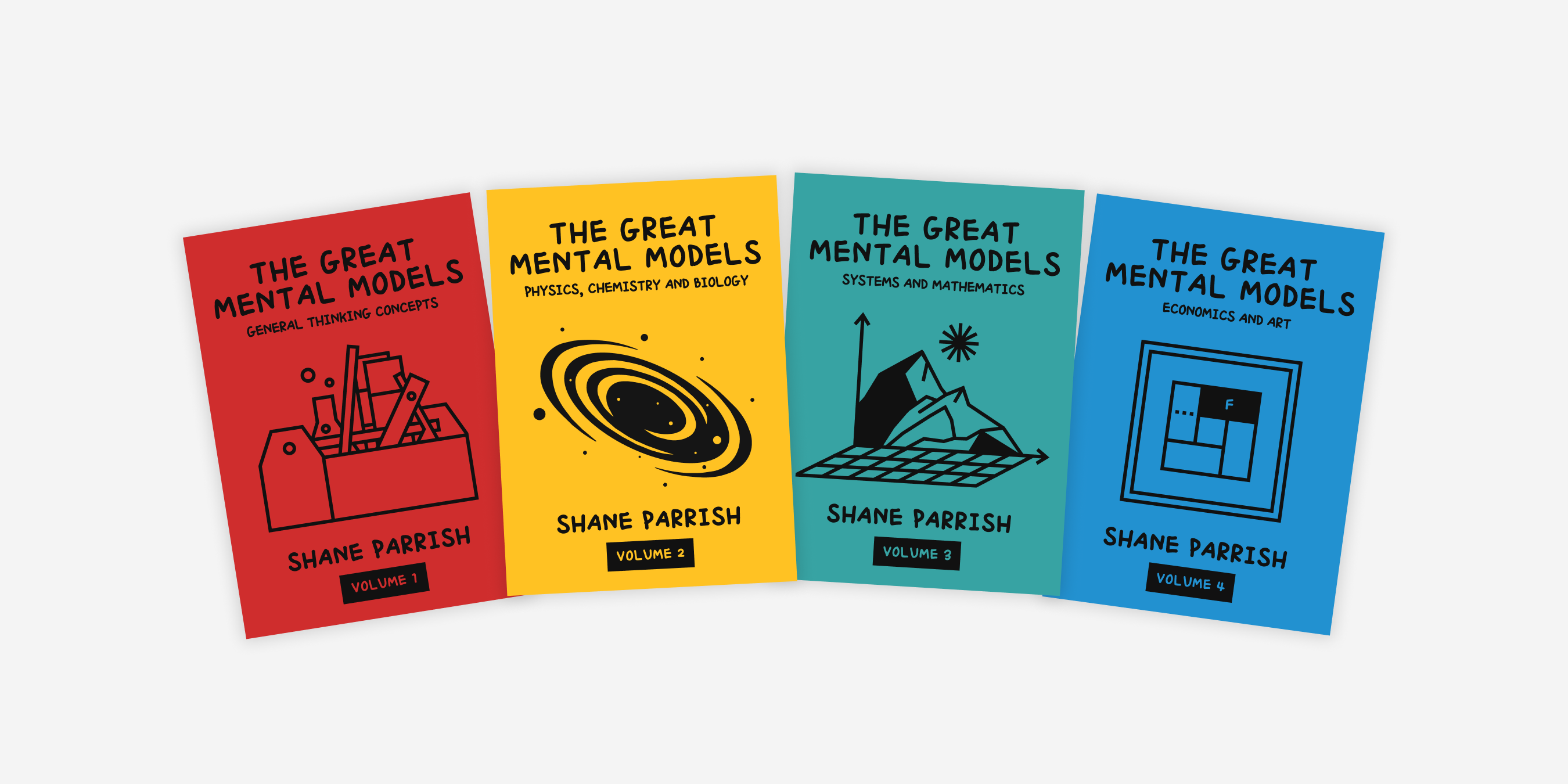
The series contains four books:
Volume 1 — General Thinking Concepts
Volume 2 — Physics, Chemistry, and Biology
Volume 3 — Systems and Mathematics
Volume 4 — Economics and Art
I’ll be creating a visual summary for each one, with volumes 2, 3, and 4 accessible only to paid subscribers — but this one’s freely accessible.
Upgrade below to get exclusive access to this and all future illustrated book summaries. I already have three others ready to publish which will be released in the coming weeks with many more planned this year.
I have shared this exclusively with paid subscribers in the past, but I’ve recreated the entire thing from scratch in a newer, sleeker style and wanted to give everyone a taste of what to expect from my illustrated book summaries before moving onto the next.
Hope you enjoy. Read below.
Contents:
The Map is Not The Territory
Circle of Competence
Falsifiability
First Principles Thinking
Thought Experiment
Necessity and Sufficiency
Second-Order Thinking
Probabilistic Thinking
Correlation vs. Causation
Inversion Principle
Occam’s Razor
Hanlon’s Razor
The Map is Not The Territory:
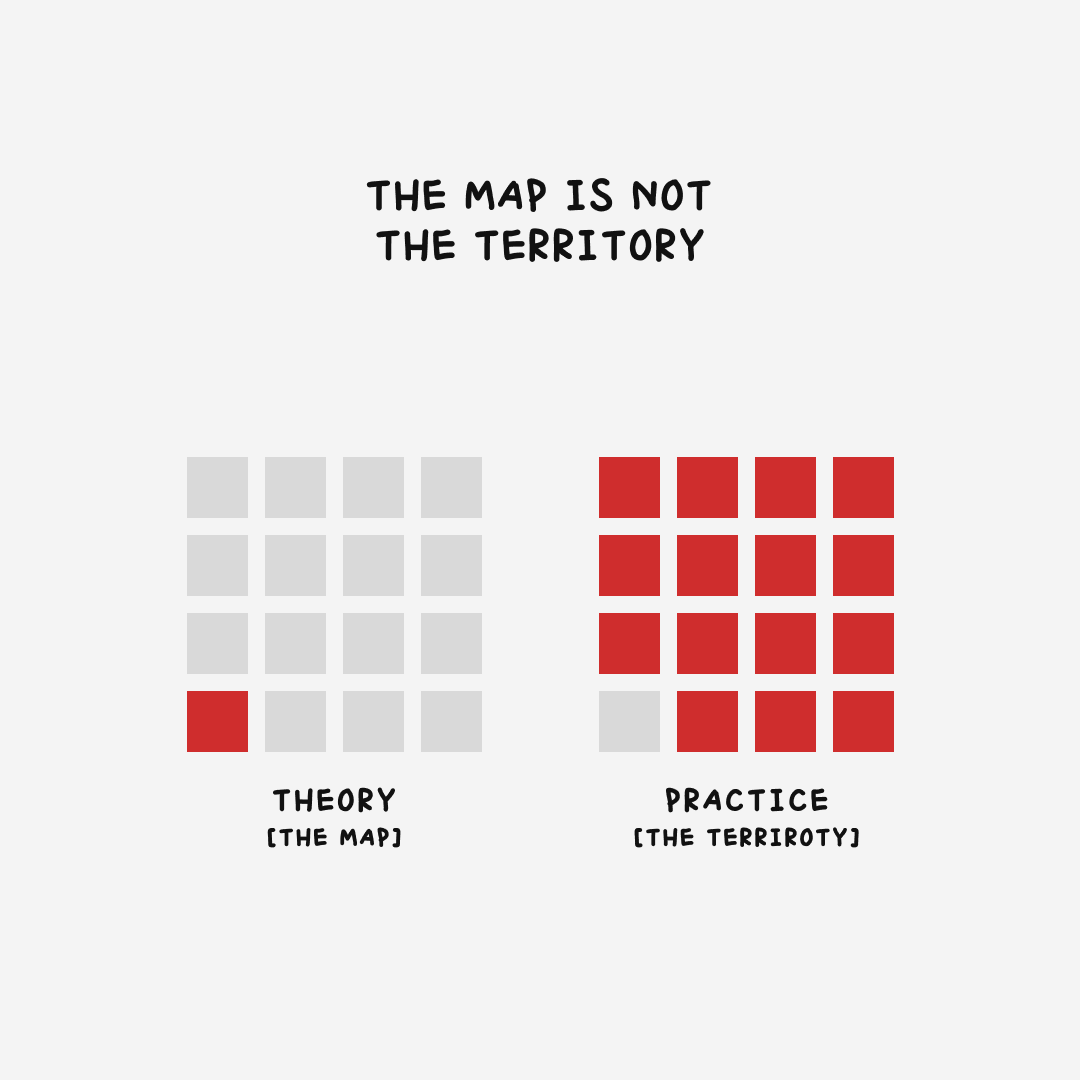
We use maps every day to help us navigate the world.
They reduce complexity to simplicity.
But even the best maps are imperfect. They are reductions of what they represent. This is by design. If a map were to represent the territory with perfect fidelity, it would no longer be useful to us. It would cease to be a map.
Mental models are maps that help guide our thinking, and they often allow us to make better decisions more easily — but they lack fidelity and should be used carefully.
The real world is messy. Maps can be helpful, but they are flawed.
It’s important to remember this moving forward.
Circle of Competence:
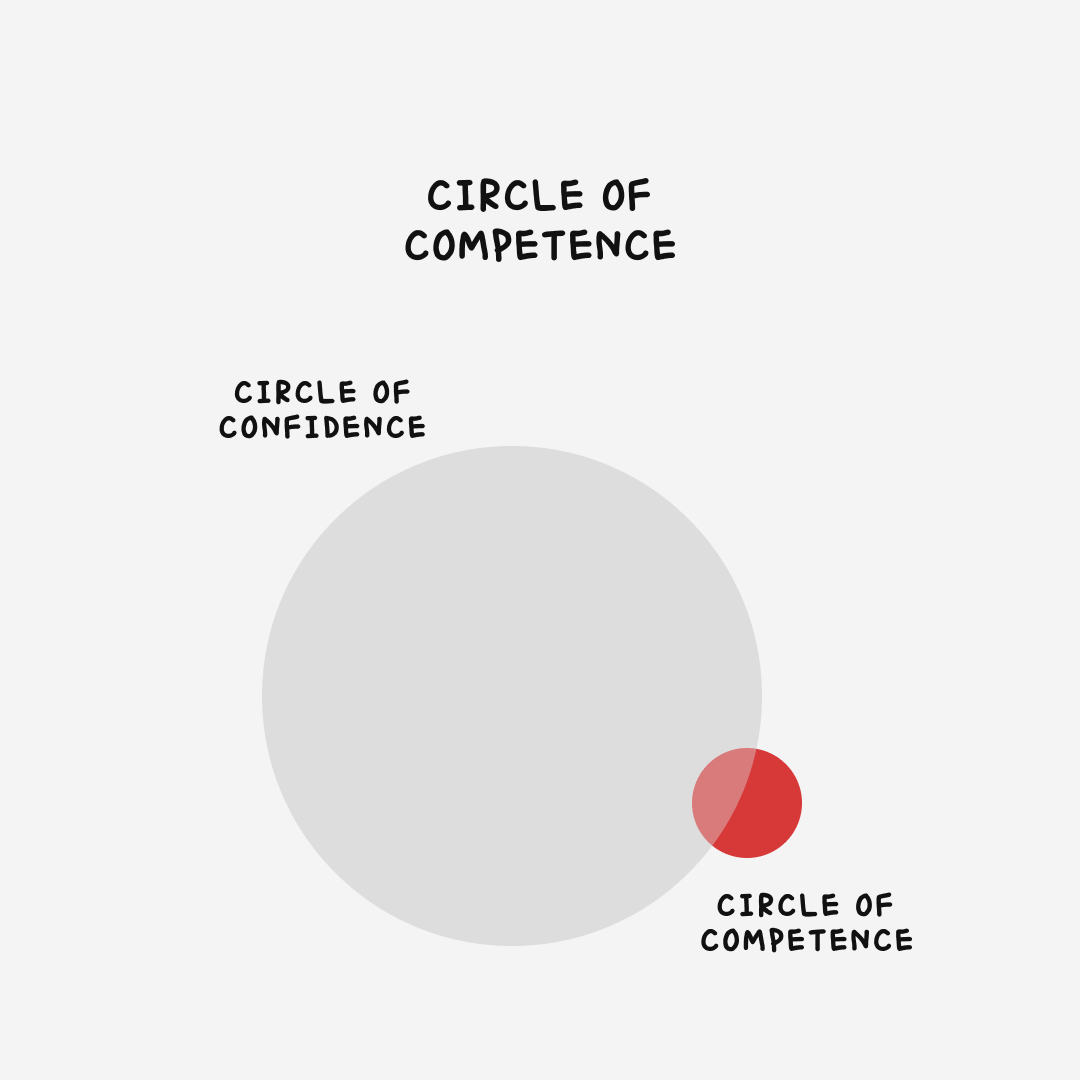
Not everyone who is confident is competent.
There are things we know.
There are things we don’t know.
There are things we know that we don’t know.
There are things we don’t know that we don’t know.
The last group is the danger zone.
It’s okay to not know the answer, but it’s dangerous to incorrectly assume that you do.
Operate within your circle of competence, and outsource the rest.
Falsifiability:
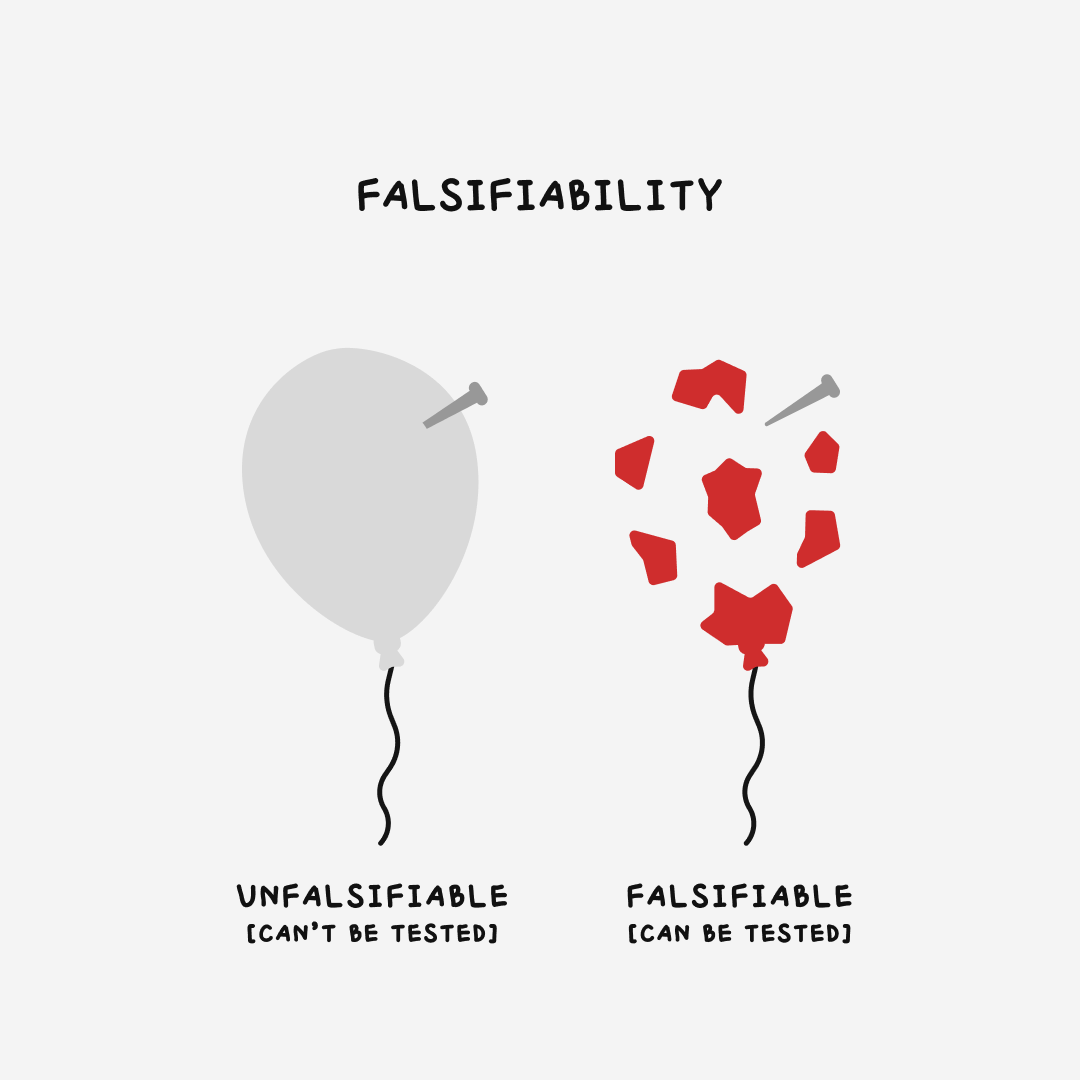
If it cannot be challenged, it cannot be confirmed.
If you want to test a theory (either physically or through a thought experiment), there must be conditions under which it can be proven wrong.
Falsification is the opposite of verification.
Don’t try to prove your theory correct.
Try instead to prove it incorrect.
When rigorous experimentation fails to disprove a theory, it actually makes it stronger.
First Principles Thinking:
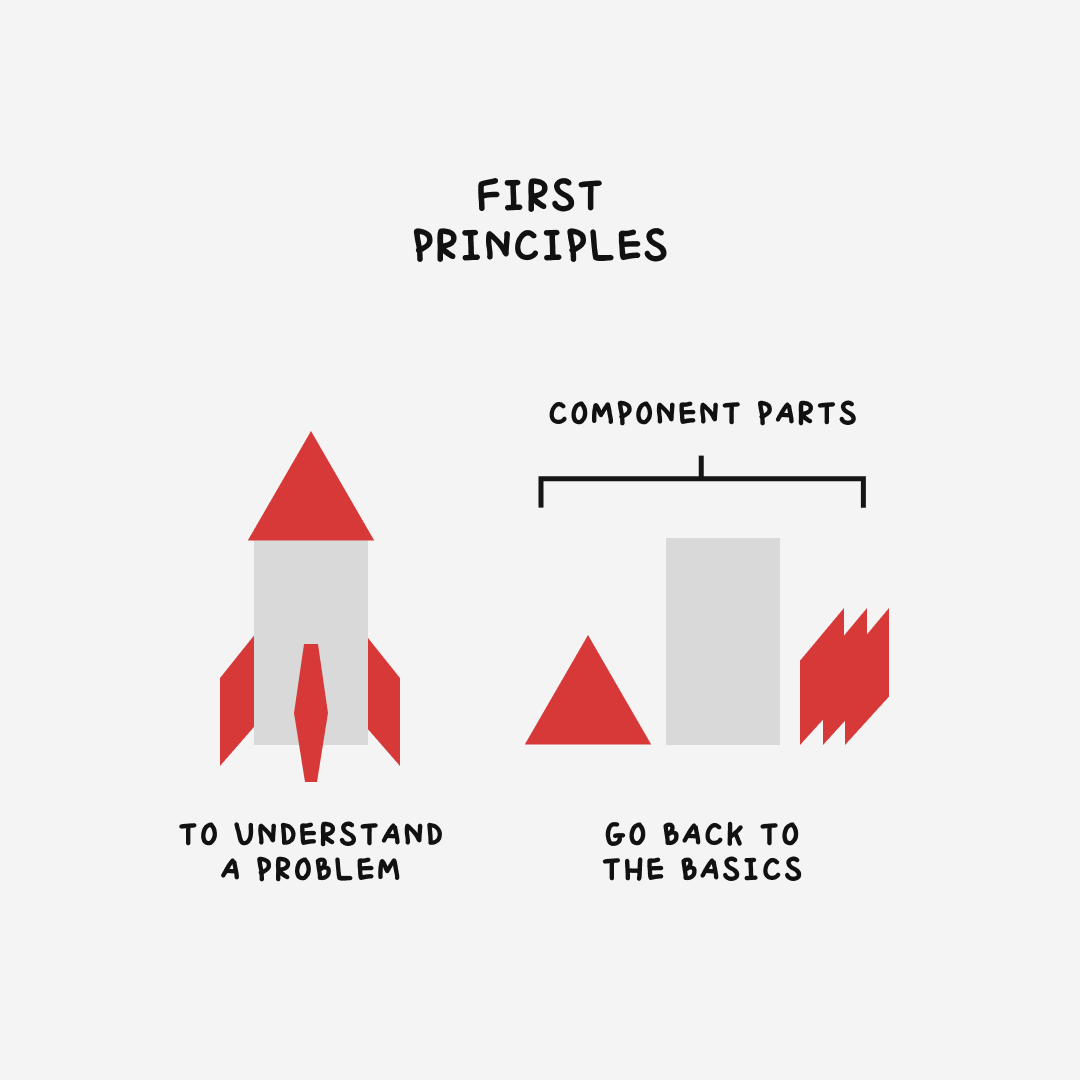
Reasoning from first principles involves breaking the problem down into its component parts to combat pre-existing assumptions that may not hold true.
It is the most effective way to clarify and approach any new complex problem.
Start with the fundamental non-reducible principles, then build your way towards the problem from the bottom up — not from the top down.
To identify the foundational principles we’d like to build on, we can use techniques like Socratic Questioning and the Five Whys.
Thought Experiment:
To test a new theory, we often need to run a carefully planned experiment.
Not all experiments are physical.
Some experiments need only an imagination.
Who do you think would win the following basketball games:
NBA champion LeBron James vs filmmaker Woody Allen
NBA champion LeBron James vs NBA champion Kevin Durant
You’d probably be more confident in your answer to the first game than the second, and if you had to place a bet one one of these games you’d probably pick the first.
How did you reach that conclusion?
You didn’t call them up and organise a tournament.
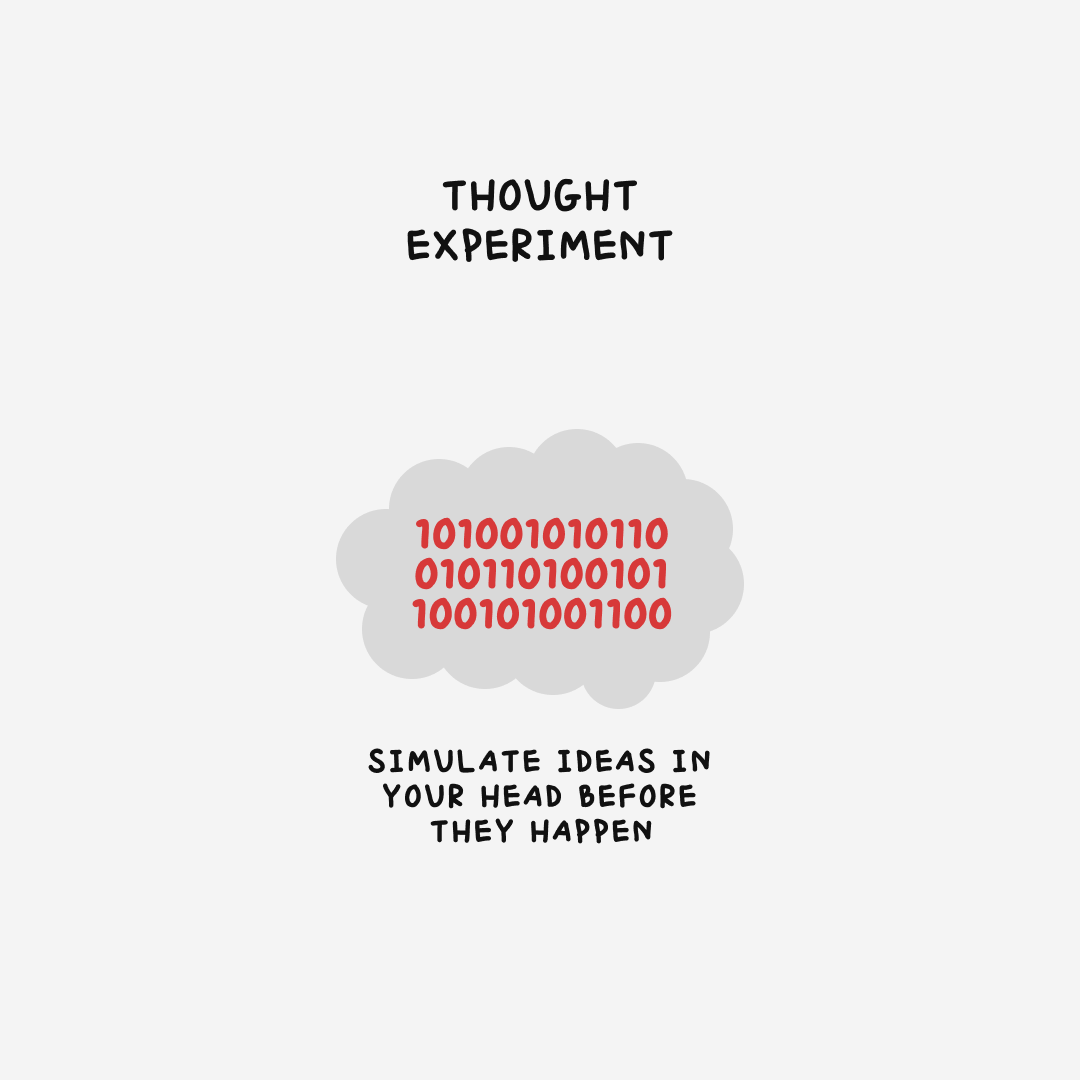
You simulated the situations in your head.
This is a thought experiment.
Necessity and Sufficiency:
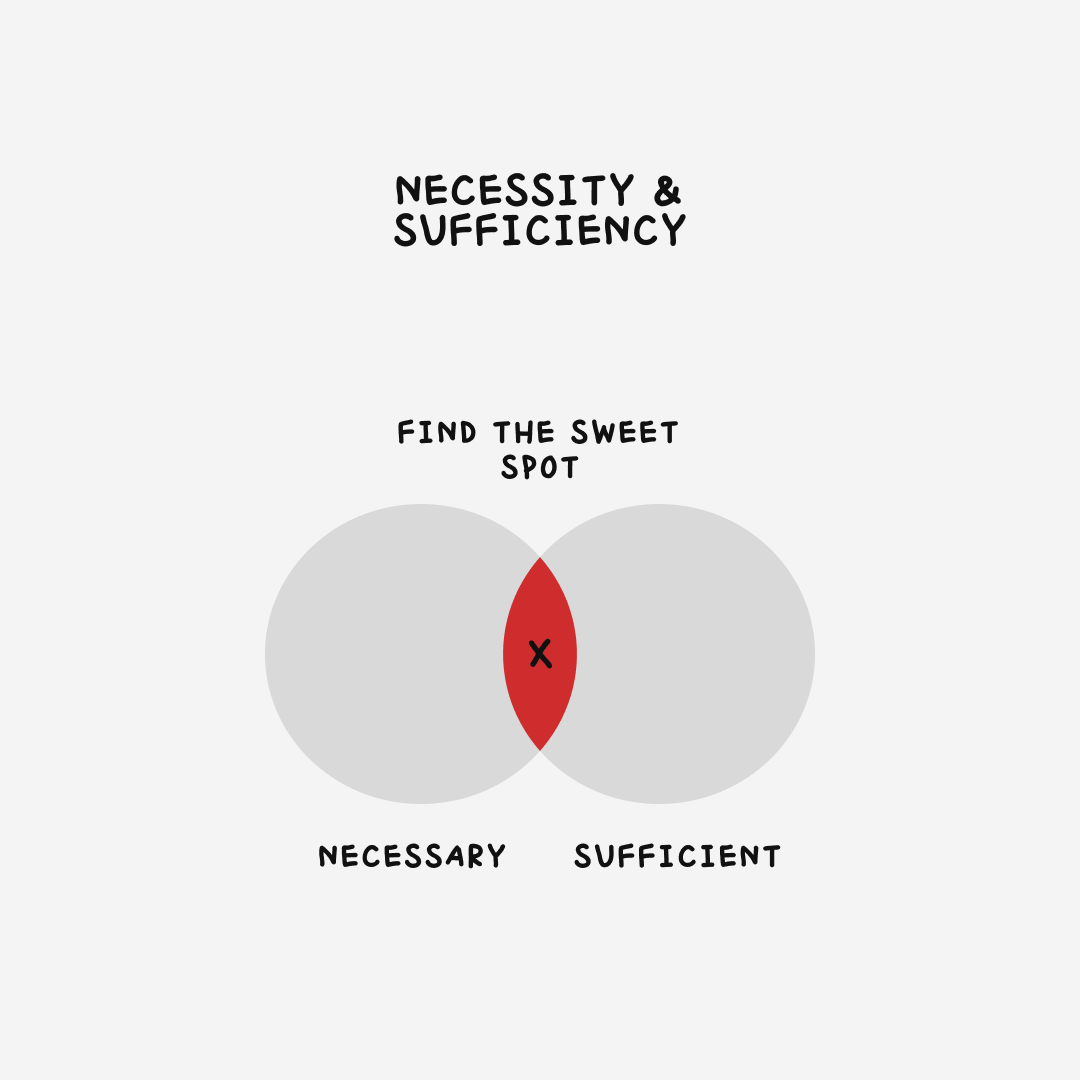
It is easy to assume that if you have all the necessary conditions in place, you also have all the sufficient conditions in place.
The gap between these two is the difference between being a published author and being a New York Times Bestseller.
Knowing how to write and market your work might make you successful, but it certainly doesn’t guarantee you a spot on the list.
Jonathan Goodman recently released his book, The Obvious Choice, selling more copies than many of the books that made the list — but his didn’t make the cut.
He met all the necessary conditions, but fell short in at least one sufficient condition.
What was that condition?
Who knows — maybe it was simply luck.
Second Order Thinking:
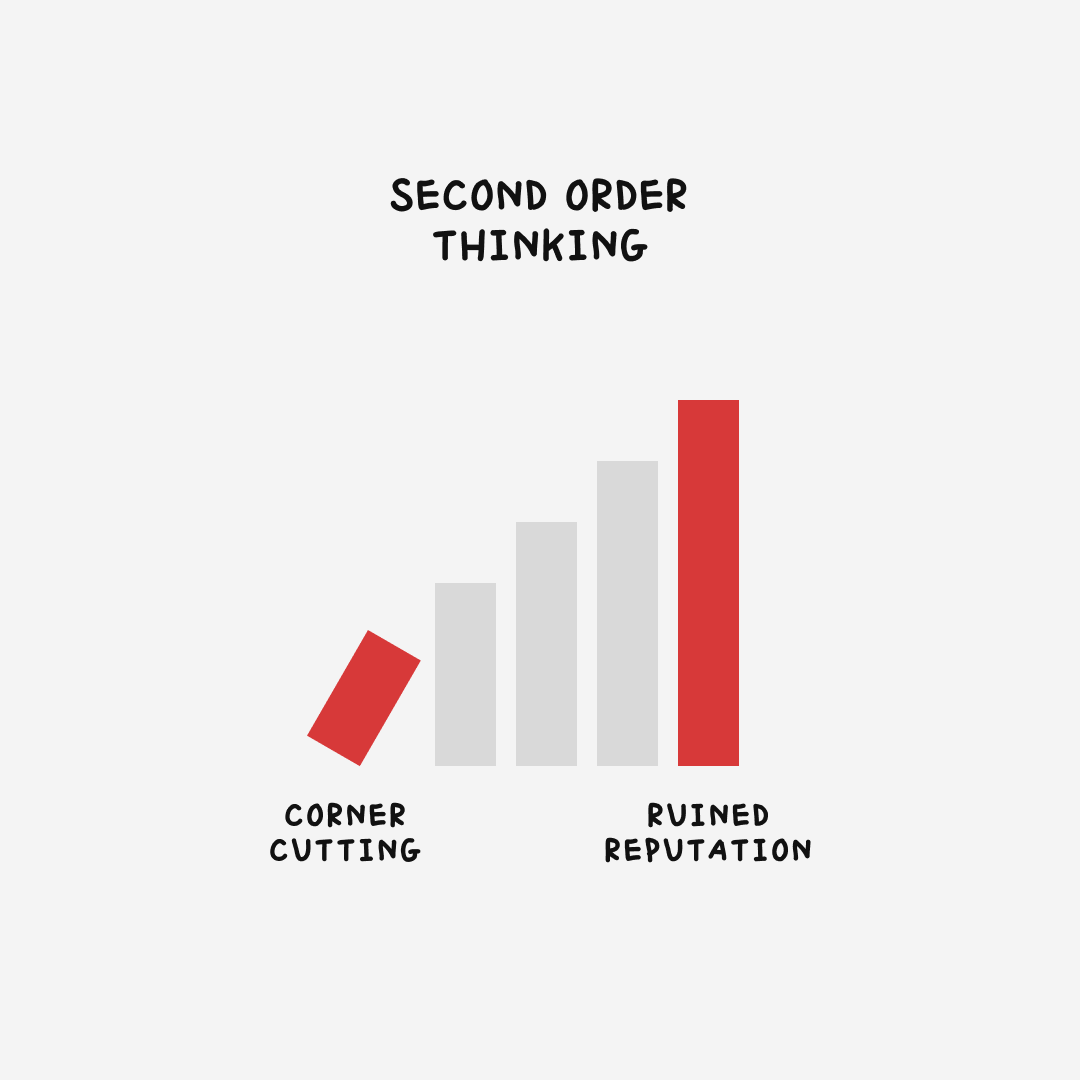
Every action has some consequence, but what is the consequence of the consequence — or the consequence of the consequence of the consequence?
We often find ourselves in situations where a decision seems like a net-positive in the short-term, but it has a net-negative effect in the long-term.
Eating that slice of cake instead of going to the gym might start a cascade of bad habits that eventually lead to poor health.
Skipping product safety checks to reach a tight deadline (because everything is probably fine) causes an injury and an irreparably damaged reputation.
Always try to think a few steps ahead before acting.
Probabilistic Thinking:
Each moment is determined by an infinitely complex set of factors.
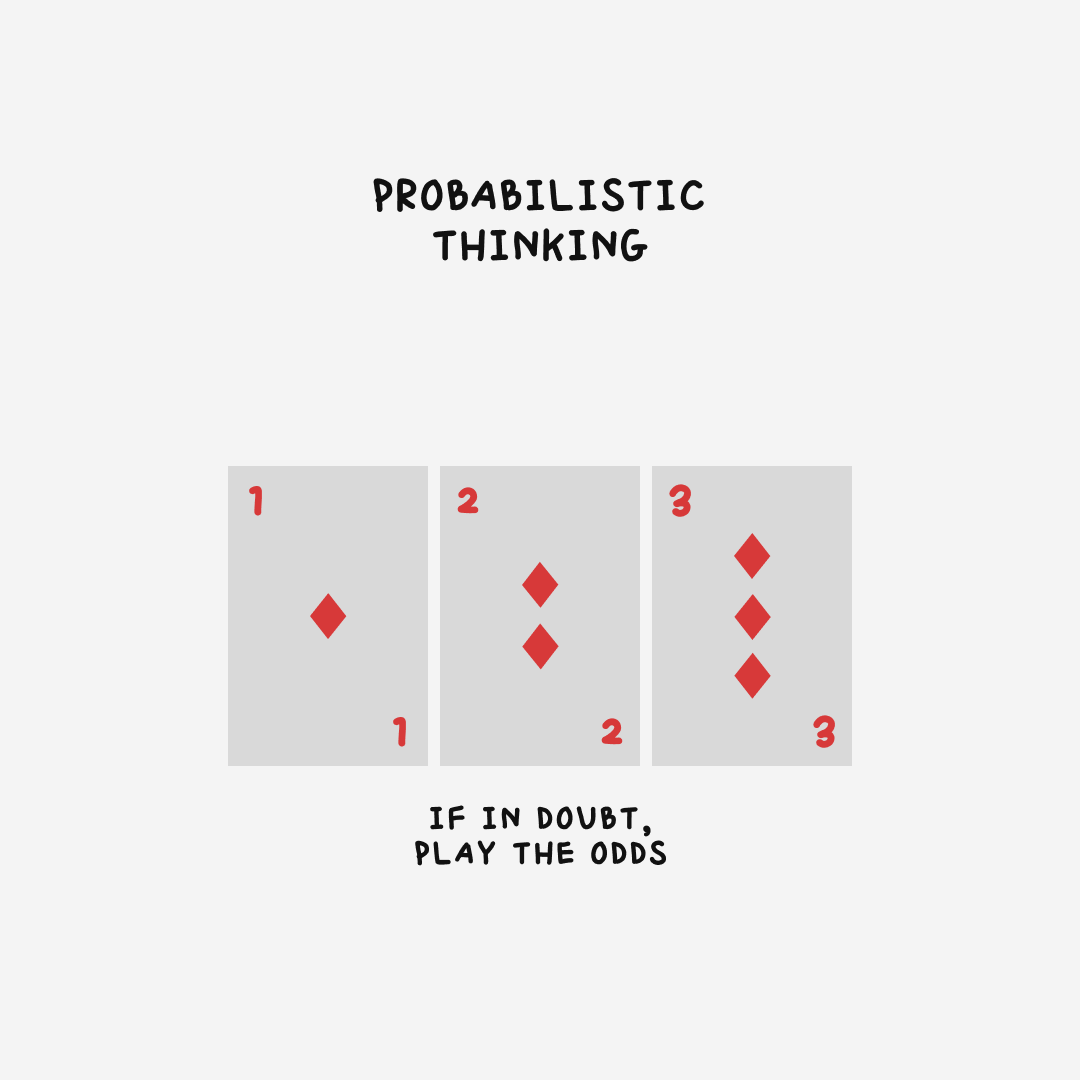
While we cannot predict the future with perfect fidelity, we can use probabilistic thinking to improve the accuracy of our guesses.
There are three main concepts to understand:
Bayesian Thinking — In an unfamiliar scenario, use all relevant prior information you have to help you make an informed decision
Fat-Tailed Curves — The more extreme scenarios that are possible, the higher the likelihood that any one of them will
Asymmetries — The probability that your estimates accurately reflect the real-world
Correlation vs. Causation:
Not every correlation shares a cause.
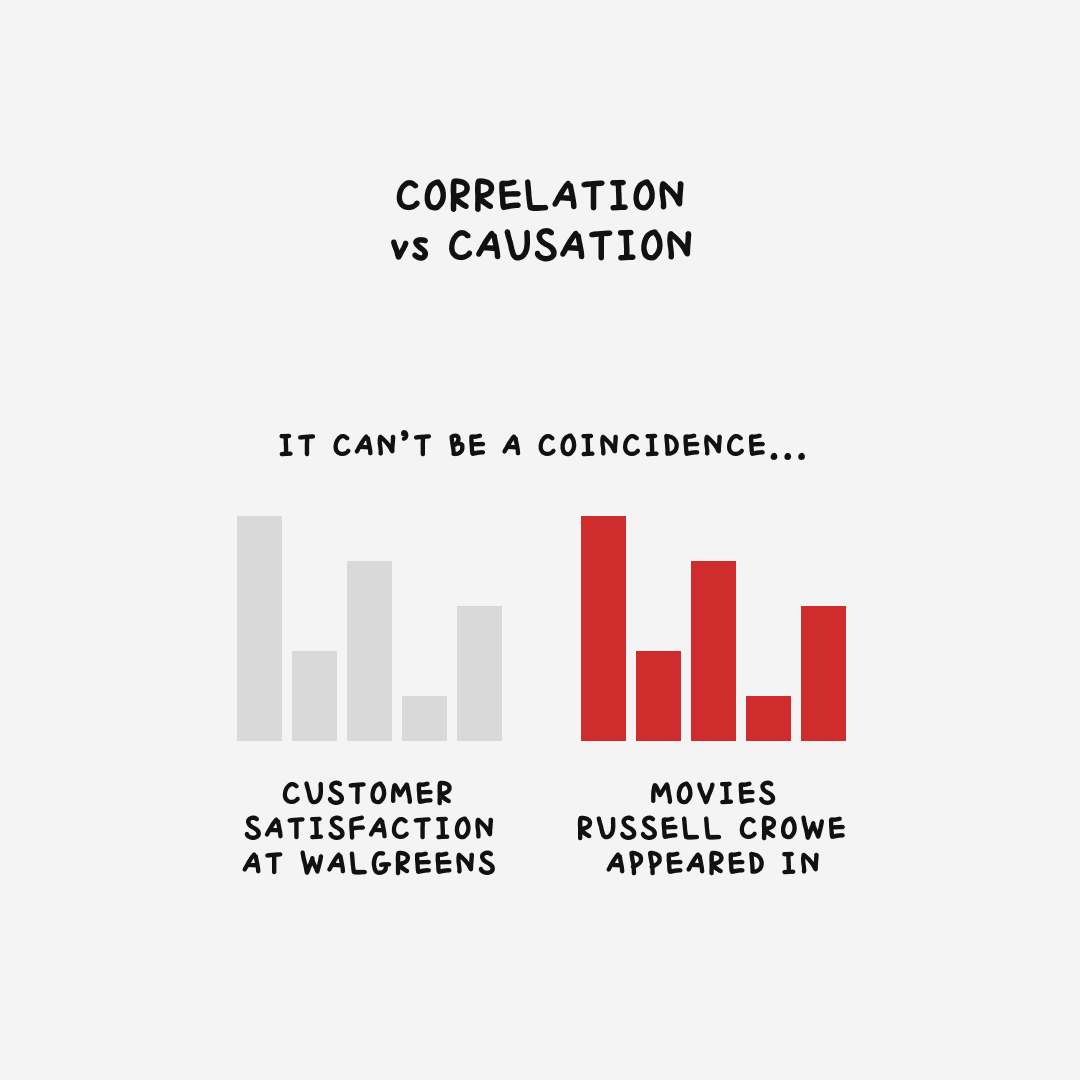
Any sufficiently large dataset will yield strong correlations completely at random.
Take the graph below for example:
In recent years, the customer satisfaction ratings at Walgreens almost exactly aligned with the number of movies Russell Crowe has appeared in.
Is one caused by the other? Unlikely.
Many other spurious correlations can be found here.
Inversion Principle:
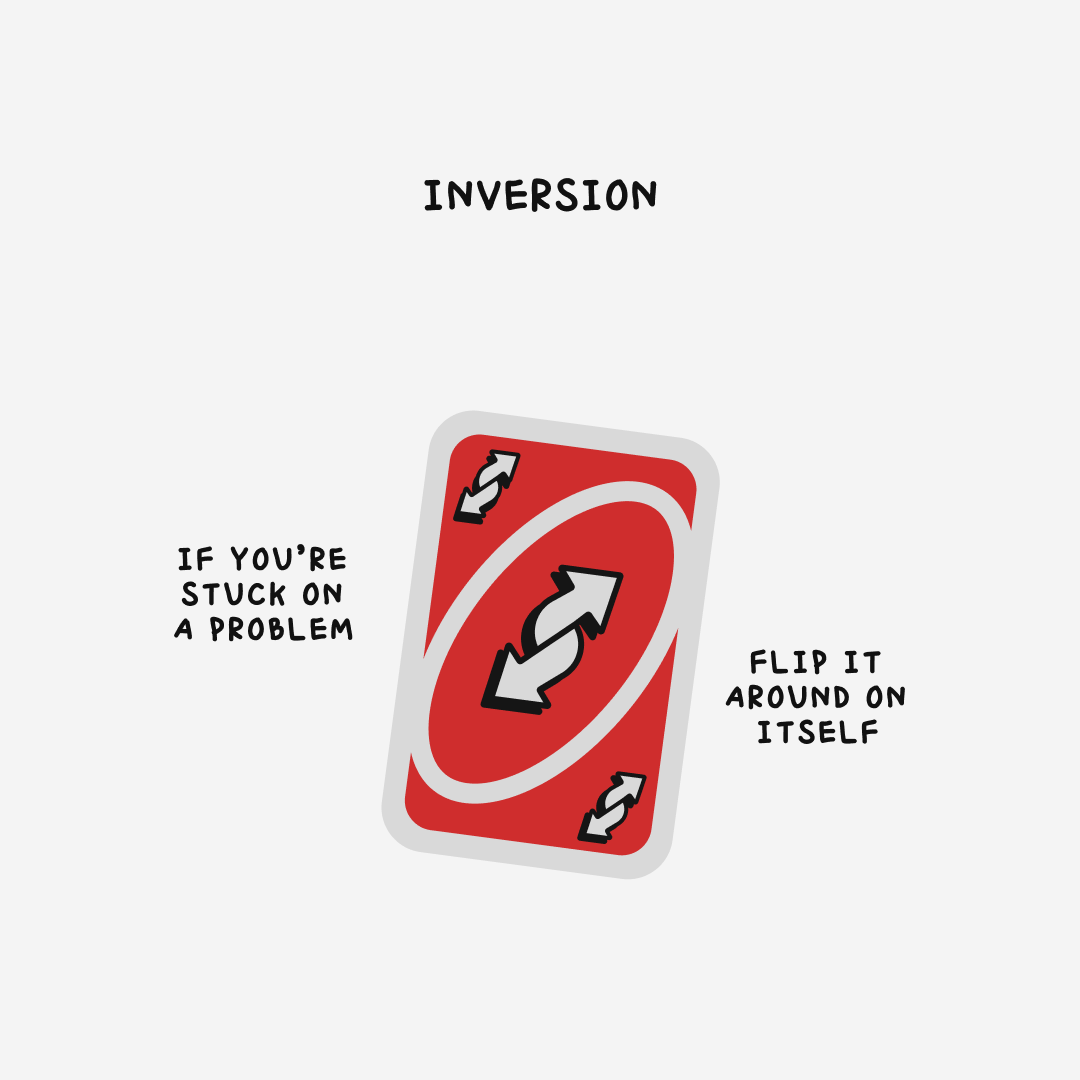
As a thinking tool, ‘inversion’ means approaching a situation from the opposite end of the natural starting point.
Here are some common inversions to consider:
Make money → avoid going into debt
Be active → avoid sedentary lifestyle
Eat healthy → avoid unhealthy foods
Often all it takes is a simple inversion to reframe a problem into a solution.
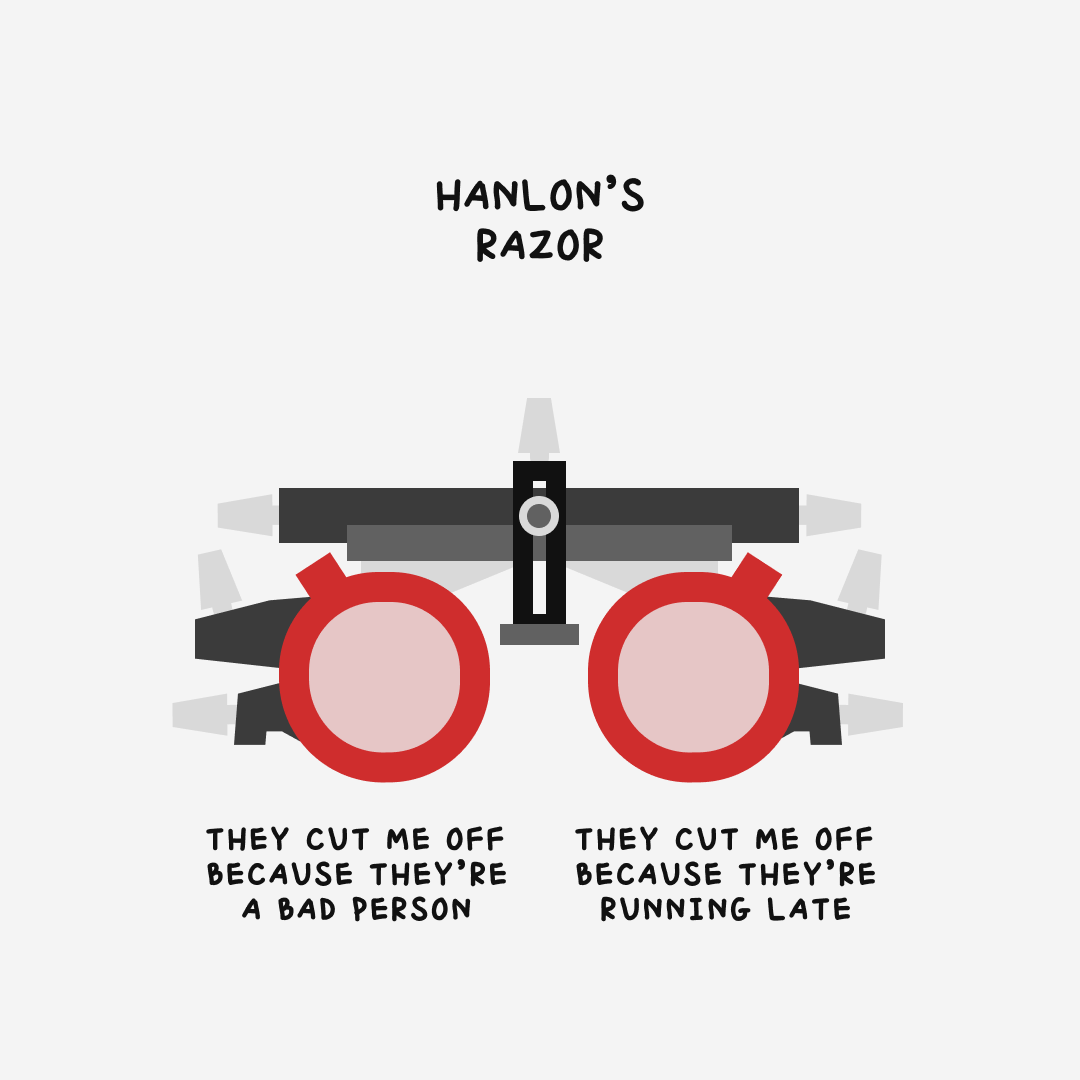
Hanlon’s Razor:
Never attribute to malice that which can be adequately explained by stupidity.
People make mistakes.
Something that seems ill-intended is often nothing more than unfortunate accident or misunderstanding.
If there is more than one possible explanation, the one that assumes the least intent is most likely to be correct.
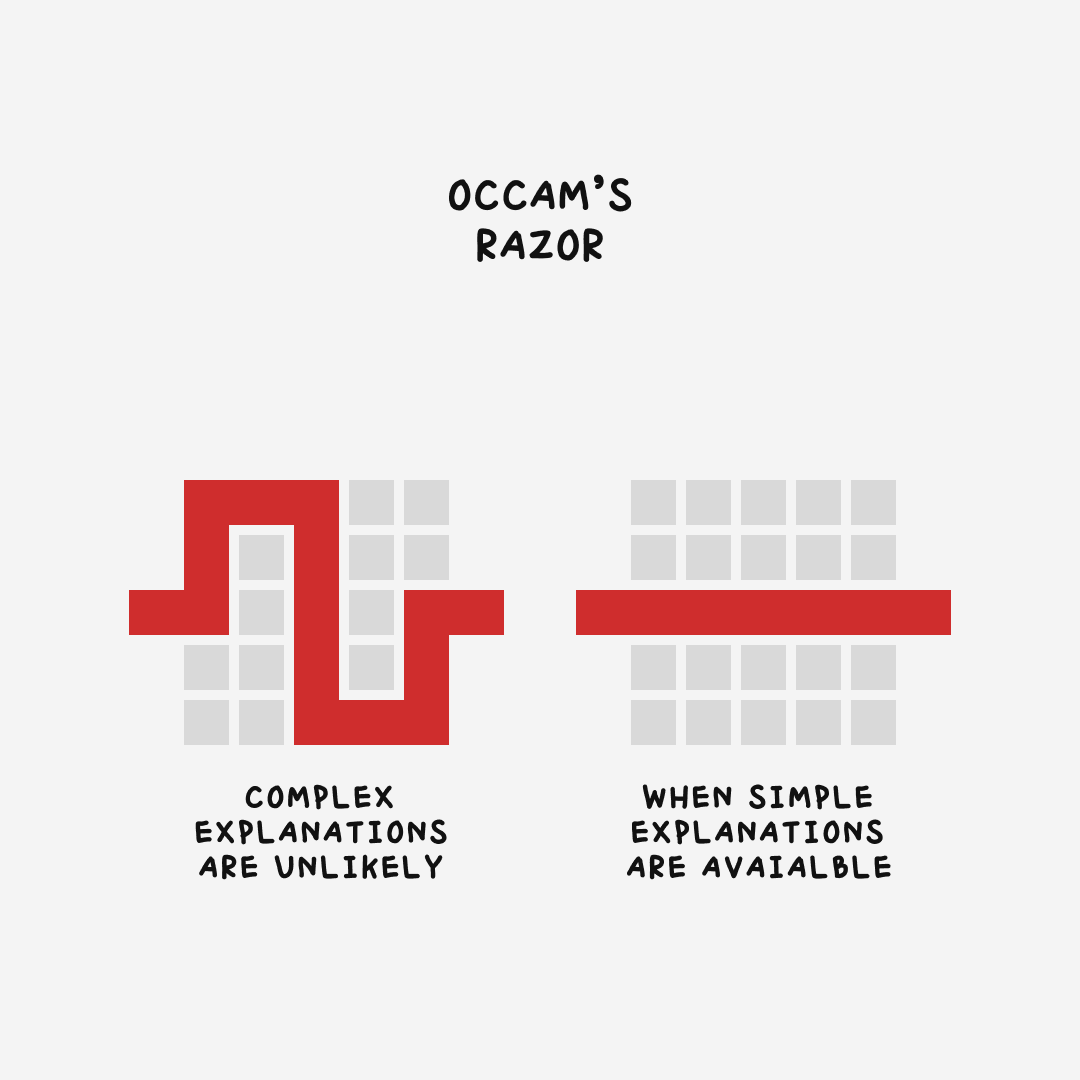
Occam’s Razor:
When searching for possible explanations, the one that makes the fewest assumptions is the most probable.
In simple terms, the simplest explanation is usually the one closest to the truth.
Wife late home from work → maybe she was in a car accident
Forgot my wallet → maybe I have a brain tumour
The absolute worst case scenario is possible, but it often isn’t probable.
I really hope you liked this illustrated book summary. I’ll be sharing many more in future with a few others already fully complete and ready to send.
If you’re reading this as a free subscriber, consider upgrading your subscription to get access to all future illustrated book summaries as well as any other paywalled posts.
As a thank you for reading to the end, here’s an exclusive one-time 20% off code:
I’m planning on leaning more into the paid side of the newsletter from now on, so if you enjoy my emails and don’t want to miss anything then please do consider it.
It took a lot of work to make this happen but I’m keen to bring you many more of these this year, starting with the next book in The Great Mental Models series focused on thinking tools from the fields of physics, chemistry, and biology:
Please reply (either over email or in the comments) with your suggestions for future visual book summaries as I’m keen to hear which ones are popular with my readers.
If you enjoyed this read, feel free to send it to a friend or colleague who might also like it. It’s free and easily accessible on the web or on mobile.
Excellent summary that I could understand without frying my brain!! Thanks.
SIMPLY AWESOME POST. Looking forward to the next 3 books' summary